Welcome to
Agri Impact Malawi

We believe farming should go beyond survival to become a pathway to dignity, income, nutrition, and resilience for rural households in Malawi.

Vision 203544% of the way
8,000 of 18,000
farming households reached directly so far

Welcome to
Agri Impact Malawi

We believe farming should go beyond survival to become a pathway to dignity, income, nutrition, and resilience for rural households in Malawi.

Vision 203544% of the way
8,000 of 18,000
farming households reached directly so far

Welcome to
Agri Impact Malawi

We believe farming should go beyond survival to become a pathway to dignity, income, nutrition, and resilience for rural households in Malawi.

Vision 203544% of the way
8,000 of 18,000
farming households reached directly so far

The reality we work in

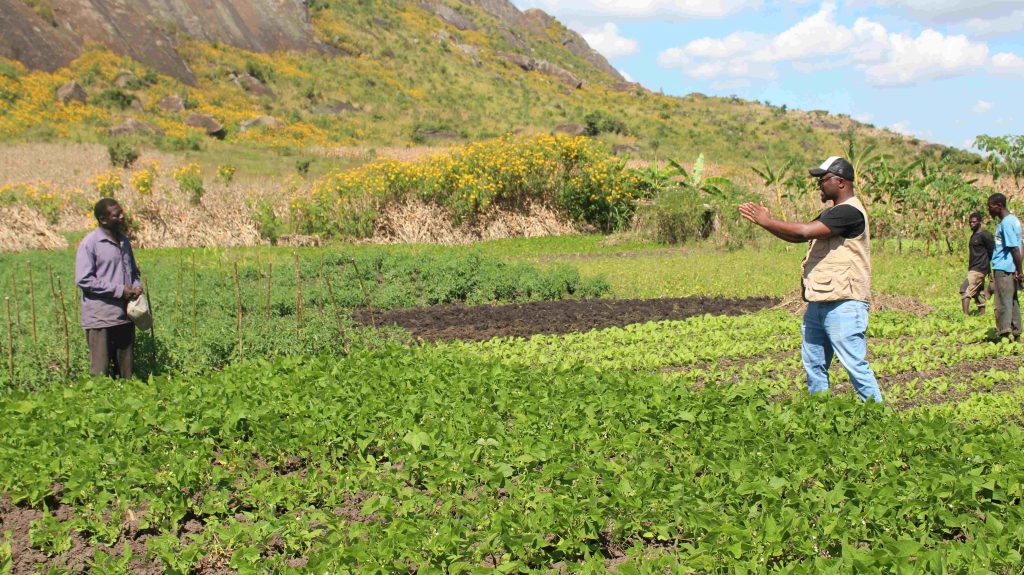
Farming is at the heart of everyday life for rural households in Malawi. Yet every season brings shocks that threaten livelihoods and food security.

0.8–1.2 hectares

The land most households farm. That is roughly one and a half football pitches to feed and fund a family.
Climate uncertainty

Farming depends heavily on rainfall. Failed or excessive rains can mean lost harvests, lost income and hunger.

Limited inputs and finance

Without quality seed, productive resources and credit, farmers struggle to invest, grow and prosper.

Fragmented farming systems

Small, scattered plots make it harder to organise, aggregate produce and reach markets and finance.

Post-harvest losses

Poor storage and handling cut the quantity, quality and value of crops before they ever reach a buyer.

Weak market connections

Poorly organised markets leave farmers dependent on informal buyers offering low, unstable prices.

Limited income opportunities

Relying on a single income source leaves households exposed to economic, climate and food shocks.

More than an implementing organisation

Who are we

Agri-Impact Malawi is a rural transformation partner. We strengthen farming systems and unlock inclusive agricultural opportunities, built on three pillars.
Climate-resilient seed

Access to quality seed that the market demands and that stands up to a changing climate.

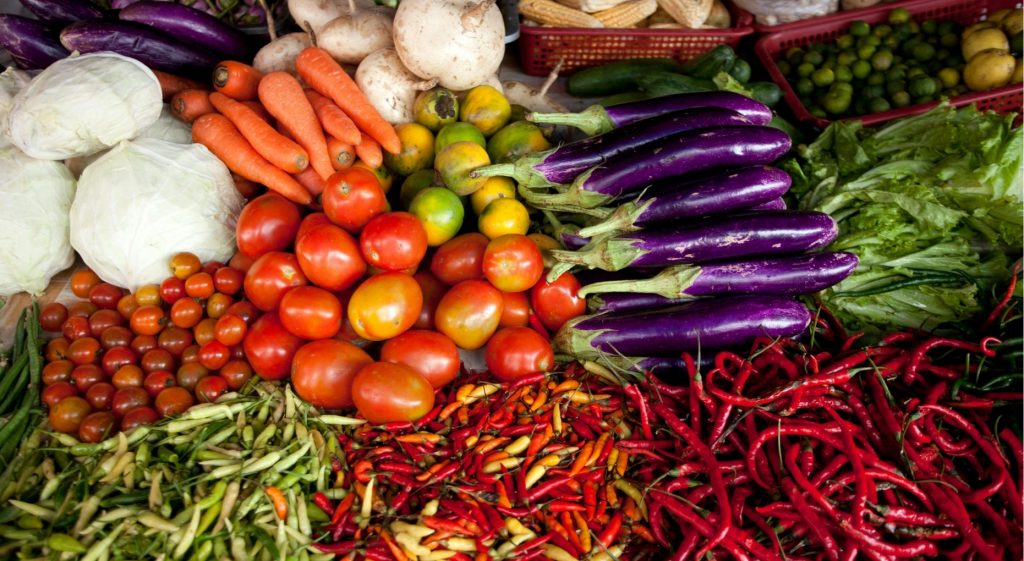
High-value, nutritious crops

Value chains and crops that earn more and put better food on the table.

More ways to earn

Profitable market access, finance and a savings culture that lift household income.
Read our story

From seed to sale, we stay with the farmer

We support the full journey, starting with what the market needs and following through to how farmers produce, handle, process, finance and sell their crops.
Financial access and resilienceSavings and credit
Market access and tradeBuyers and aggregation
Processing and value additionCommunity agro-processing
Reducing lossesPost-harvest handling
Improving yields and resilienceProduction support
Production and seed selectionMarket driven
Village savings and loan group meeting

Save, borrow, invest

Through village savings and loan groups and formal institutions, farmers access the savings and credit they need to invest in their farms and small businesses.
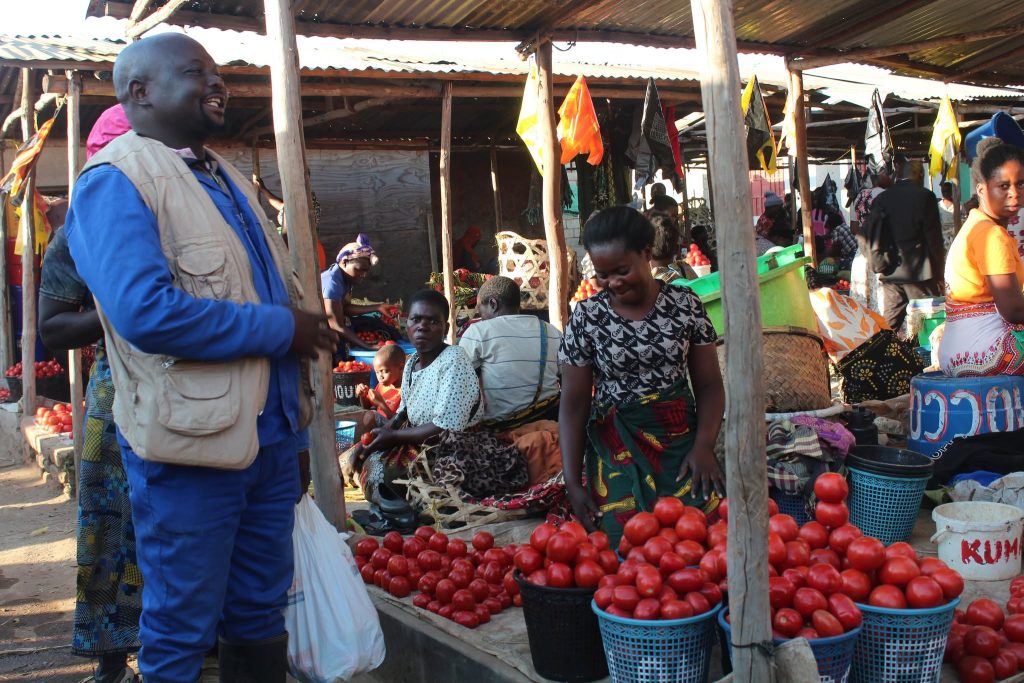
Farmers selling produce to buyers at a market

Sell together, sell better

Buyer linkages, aggregation, collective marketing and market information connect farmers to reliable buyers, at better and more stable prices.
Community group processing farm produce into packaged products

Turn raw crops into products

Small, community-based processing enterprises let farmers sell higher-value products instead of raw produce, earning better and more stable incomes close to home.
Practical session during vegetable preservation and storage training

Protect the harvest

Many farmers lose a large share of their crop after harvest. Better handling and storage cut those losses and keep quality high, so more of the harvest reaches the market.
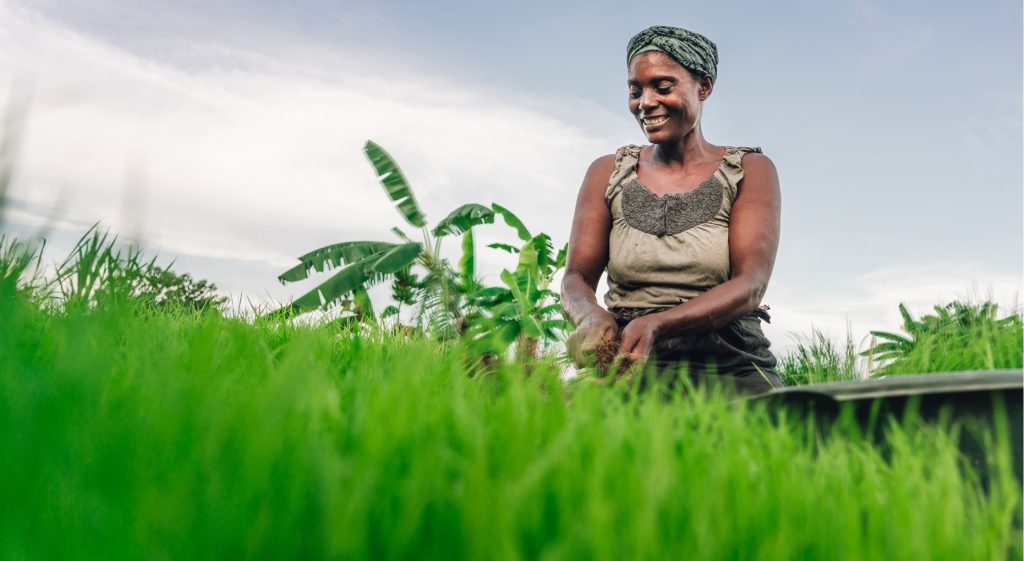
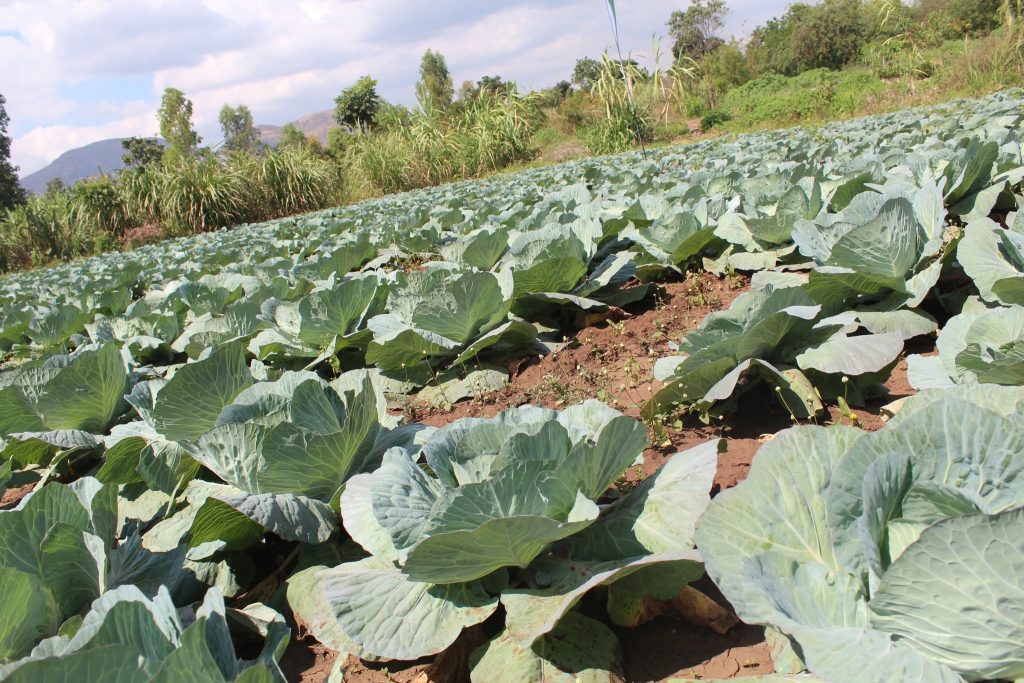
Farmers tending a healthy crop in the field

Grow more, risk less

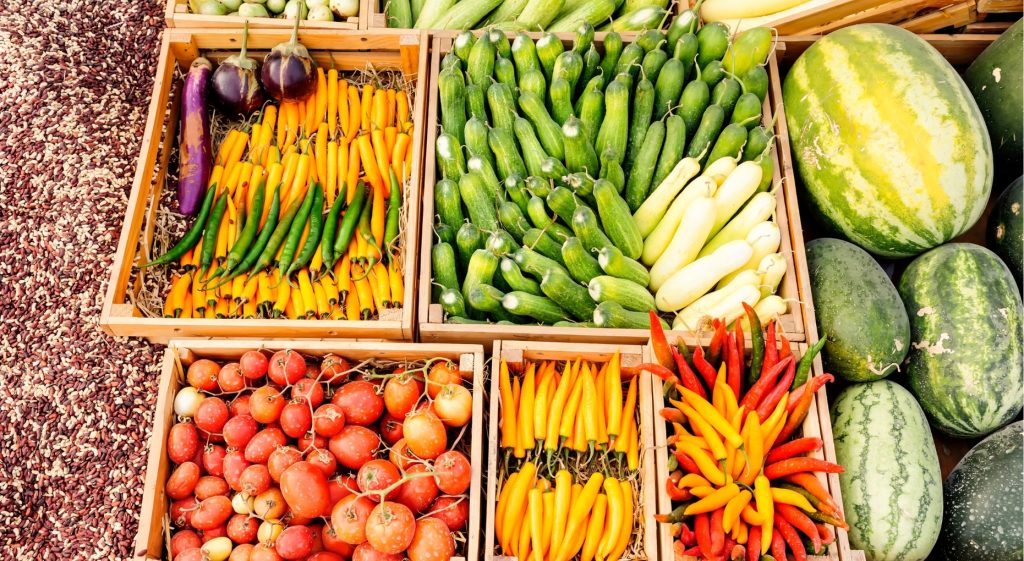
We promote diversified, climate-smart crops across legumes and oilseeds, cereals, and roots and tubers, so farmers raise productivity and build steadier production systems.
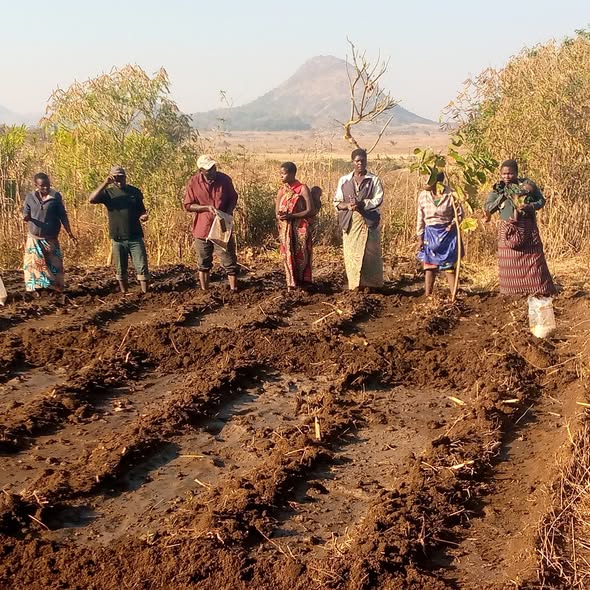
Members of Tsambalikagwa Club planting soyabean seed

Start with what the market wants

We read market demand first, then help farmers access quality, climate-resilient seed that suits local conditions. Community seed systems keep that seed available season after season.
Six connected stages, one market-led model.Explore our approach
4
Traditional Authorities
2
Districts in central Malawi

Rooted in the communities we serve

Our footprint covers high-potential farming zones in central Malawi, where we work through farmer clubs and community-based volunteers.

Lilongwe Rural

TA Chadza TA ChisekaTA Chimutu

Dowa

TA Dzoole

The Problem

The Reality We Work In

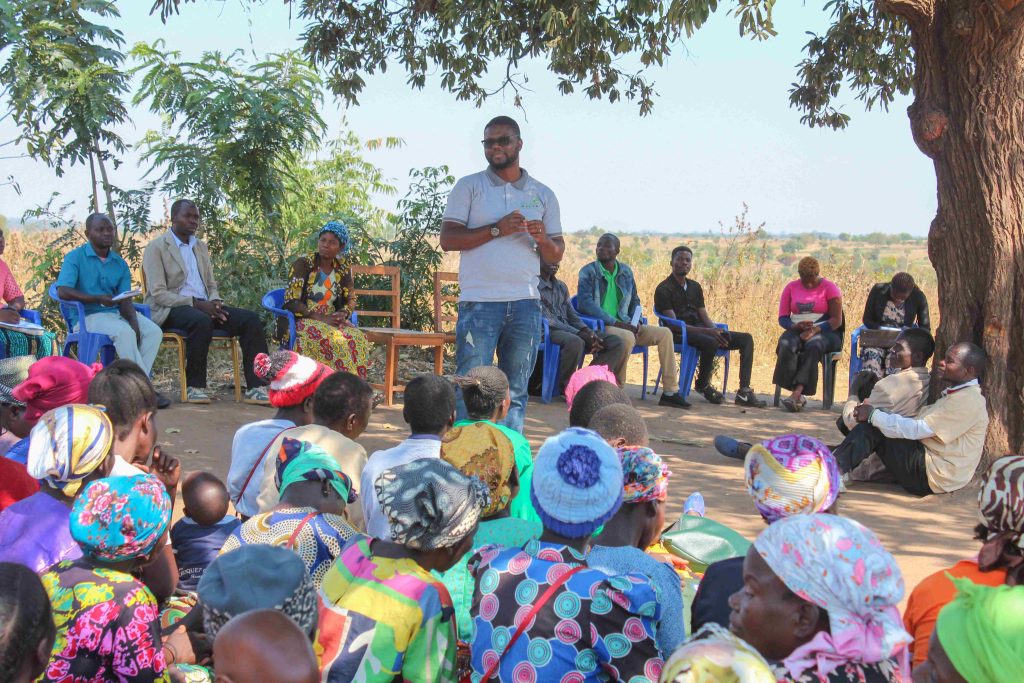
For rural farming households, every season brings new challenges

  • Climate Uncertainty

    With farming heavily dependent on rainfall, failed or excessive rains can mean lost harvests, income and food security.
  • Limited Inputs & Finance

    Limited access to quality seeds, productive resources and finance makes it harder for farmers to invest, grow and prosper.

  • Fragmented Farming Systems

    Most households farm just 0.8–1.2 hectares, making organisation, aggregation and access to markets and finance more difficult.

  • Post-Harvest Losses

    Poor storage and handling can reduce the quantity, quality and value of crops before they reach the market.

  • Weak Market Connections

    Weak market organisation can leave farmers dependent on informal buyers offering low and unstable prices.

  • Limited Income Opportunities

    Dependence on a single income source leaves rural households more vulnerable to economic, climate and food security shocks.

Latest Articles

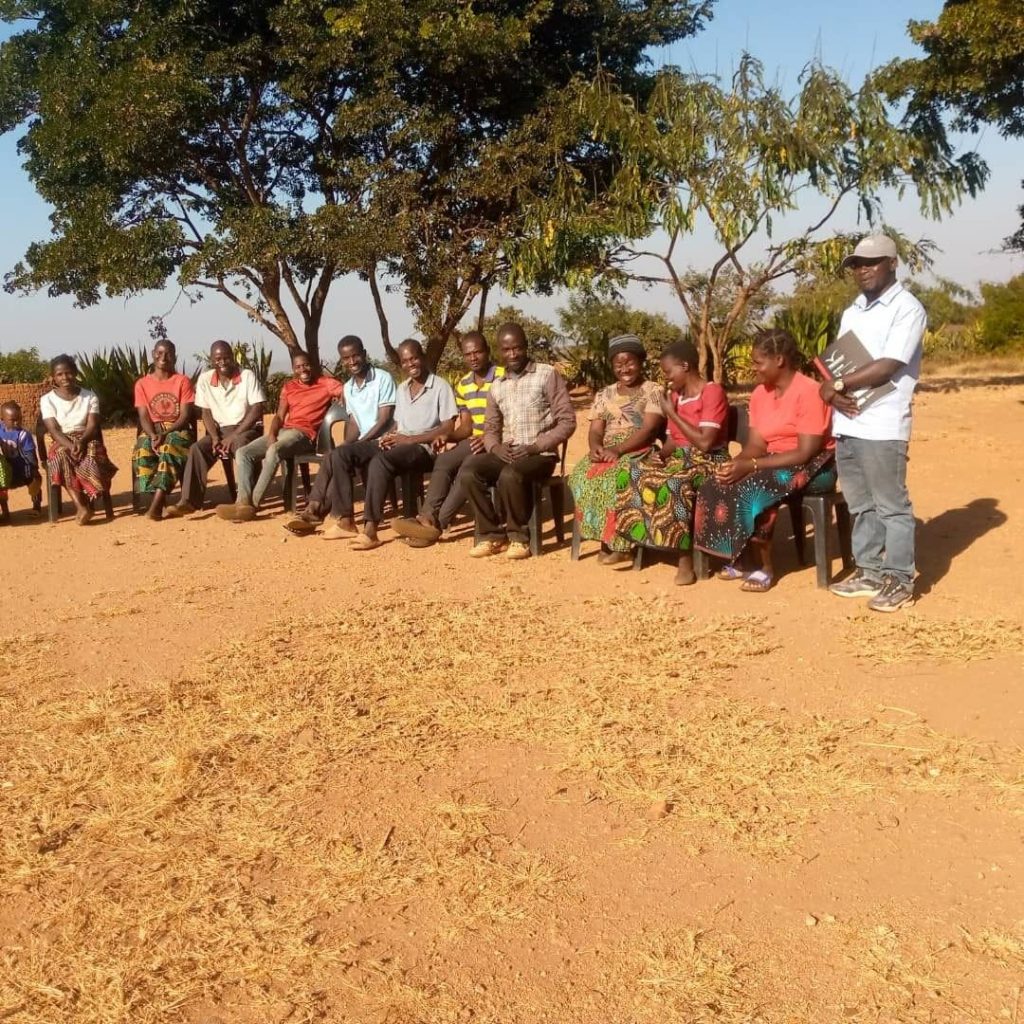
Stories and updates from our work with farmers and communities across Malawi.
View all articles

August 8, 2026

Partnering With Communities for Market-Led Transformation

Preparation for the launch of NEVAM-MARKETS 2.0 is officially underway in Traditional Authority Chimutu, Lilongwe…
Read the article

Transformation is a shared journey

We work with farmers, communities, private sector actors, development partners and institutions who believe in building stronger rural systems.